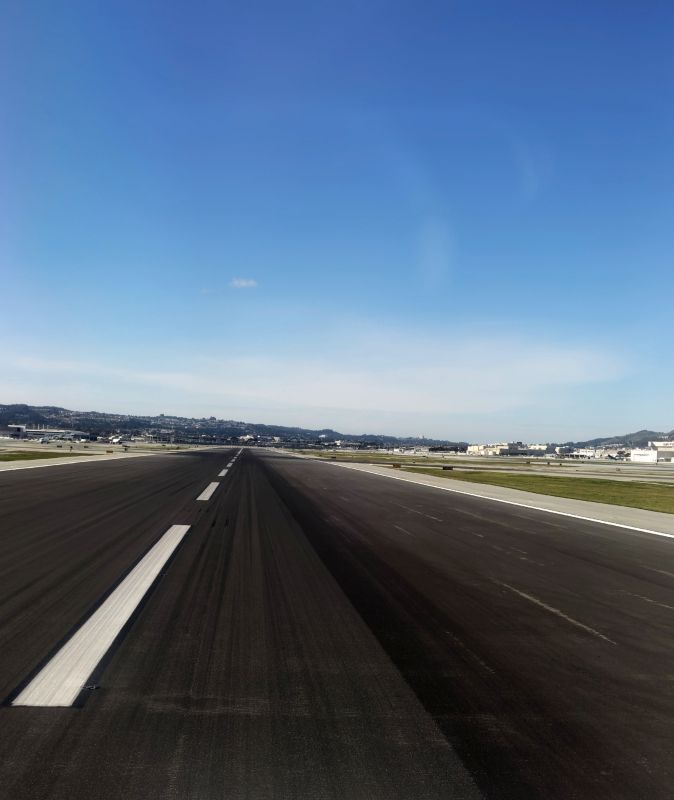
Airport Paving in Hilton Head Island, SC
Airport paving services involve the installation, repair, and maintenance of paved surfaces used in airport runways, taxiways, and aprons. These projects typically require durable, high-quality asphalt or concrete to ensure safety and longevity under heavy aircraft traffic. Property owners planning airport paving should consider factors such as the scope of the project, surface durability, and proper drainage to maintain optimal operation. Understanding the specific requirements of airport surfaces can help in selecting the right materials and techniques for a lasting result.
Homeowners and property managers requesting airport paving often want to ensure the work meets safety standards and can withstand frequent use. It's important to clarify the size of the area to be paved, the type of surface needed, and any local regulations or restrictions that may apply. Proper planning also involves considering future maintenance needs and how the paving will integrate with existing infrastructure to support efficient and safe airport operations.
Many property owners in Hilton Head Island, SC look into Airport Paving for repairs, replacements, upgrades, and appearance-related improvements.
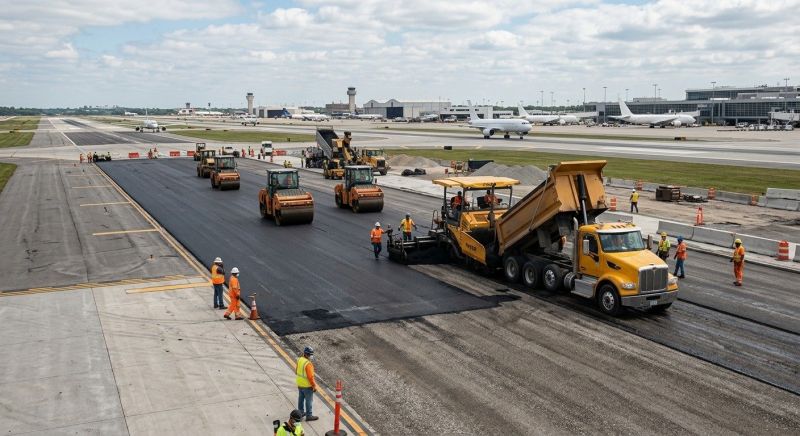
Commercial Airport Paving
Ensuring durable and smooth runways and taxiways for airport operations.

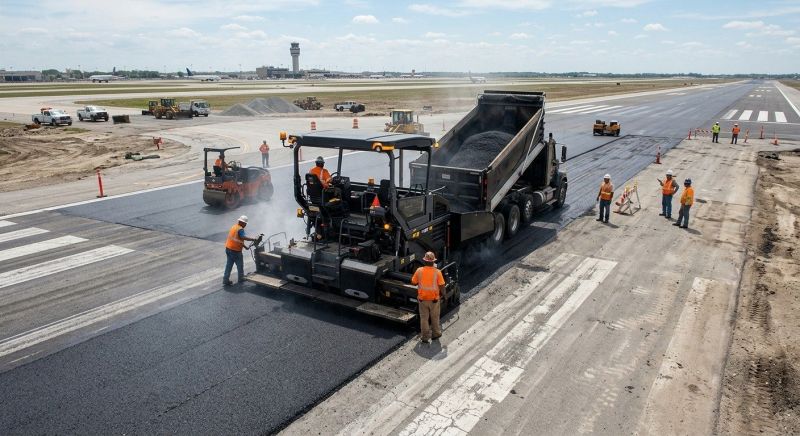
Private Airport Runways
Creating reliable surfaces for private and small aircraft access on hilton head island.

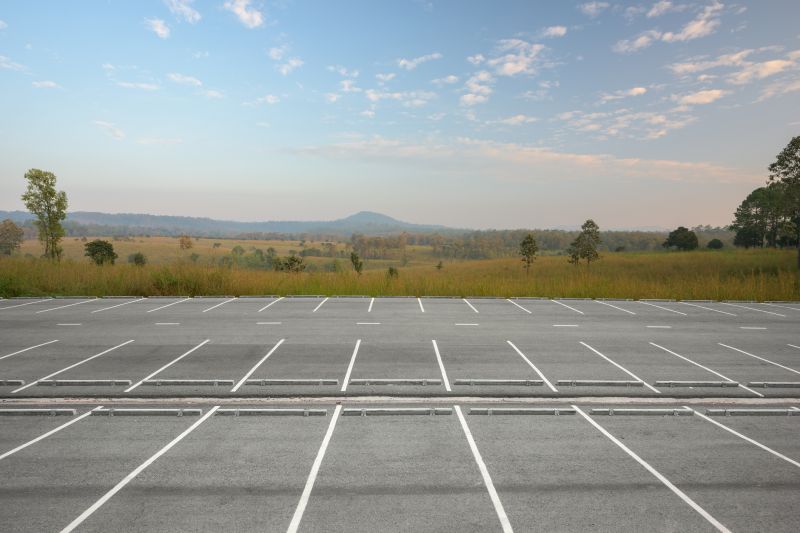
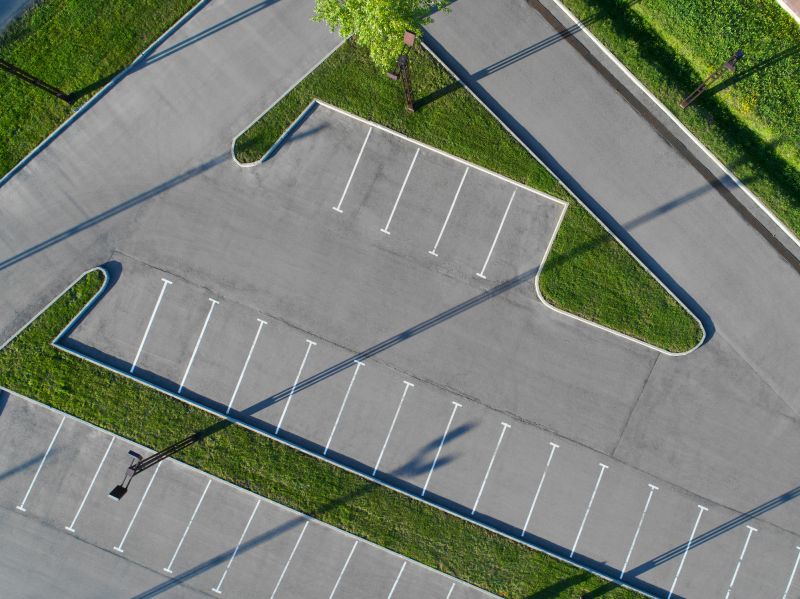
Airport Parking Lot Paving
Designing and maintaining parking areas to accommodate high traffic volumes safely.
Airport Paving in Hilton Head Island, SC

Airport paving services involve the installation, repair, and maintenance of paved surfaces used in airport runways, taxiways, and aprons. These projects typically require durable, high-quality asphalt or concrete to ensure safety and longevity under heavy aircraft traffic. Property owners planning airport paving should consider factors such as the scope of the project, surface durability, and proper drainage to maintain optimal operation. Understanding the specific requirements of airport surfaces can help in selecting the right materials and techniques for a lasting result.
Homeowners and property managers requesting airport paving often want to ensure the work meets safety standards and can withstand frequent use. It's important to clarify the size of the area to be paved, the type of surface needed, and any local regulations or restrictions that may apply. Proper planning also involves considering future maintenance needs and how the paving will integrate with existing infrastructure to support efficient and safe airport operations.
Many property owners in Hilton Head Island, SC look into Airport Paving for repairs, replacements, upgrades, and appearance-related improvements.
Common Airport Paving Jobs
Asphalt Paving - durable asphalt surfaces for driveways and parking areas.
Sealcoating - protective coating to extend the lifespan of paved surfaces.
Parking Lot Paving - installation and resurfacing of commercial parking lots.
Driveway Resurfacing - restoring and improving existing driveway surfaces.
New Paving Installation - creating smooth, functional surfaces for new properties.
Pavement Repair - fixing cracks, potholes, and other damage to maintain safety.
Airport Paving Questions
What types of paving projects are common for airports? Common projects include runway resurfacing, taxiway repair, and apron expansion to ensure safety and efficiency.
How does airport paving improve safety? Proper paving provides smooth, even surfaces that reduce the risk of accidents and facilitate safe aircraft movement.
What materials are typically used for airport paving? Asphalt is most commonly used due to its durability and smooth finish, though concrete may be used for certain areas.
What should property owners consider before airport paving? It’s important to assess existing surfaces, drainage needs, and future expansion plans for a successful paving project.
Request Airport Paving in Hilton Head Island, SC
Use the quote form on this page to share the basics of your project and request more information for the type of work you need.